
Joint Care Articles & Guides
Discover evidence-based insights on mobility exercises, joint prevention, and healthy movement patterns for active living.
Browse Articles by Category

Light Joint Warm-Up Routine for Morning Mobility
Begin your day with a gentle 10-minute warm-up sequence designed to activate your joints and prepare them for daily movement. This beginner-friendly routine focuses on gradual range-of-motion expansion without strain.
Read More →
Office Worker's Guide: Preserve Joints During Sedentary Work
Prolonged sitting creates stiffness and tension. Discover practical strategies for maintaining joint mobility throughout your workday, including desk stretches, postural adjustments, and micro-movement breaks that prevent stagnation.
Read More →
Building a Healthy Menu for Active People
Nutritional support plays a vital role in maintaining joint health and mobility. Learn which foods support connective tissue function, how to structure meals for active individuals, and practical meal ideas that nourish your joints.
Read More →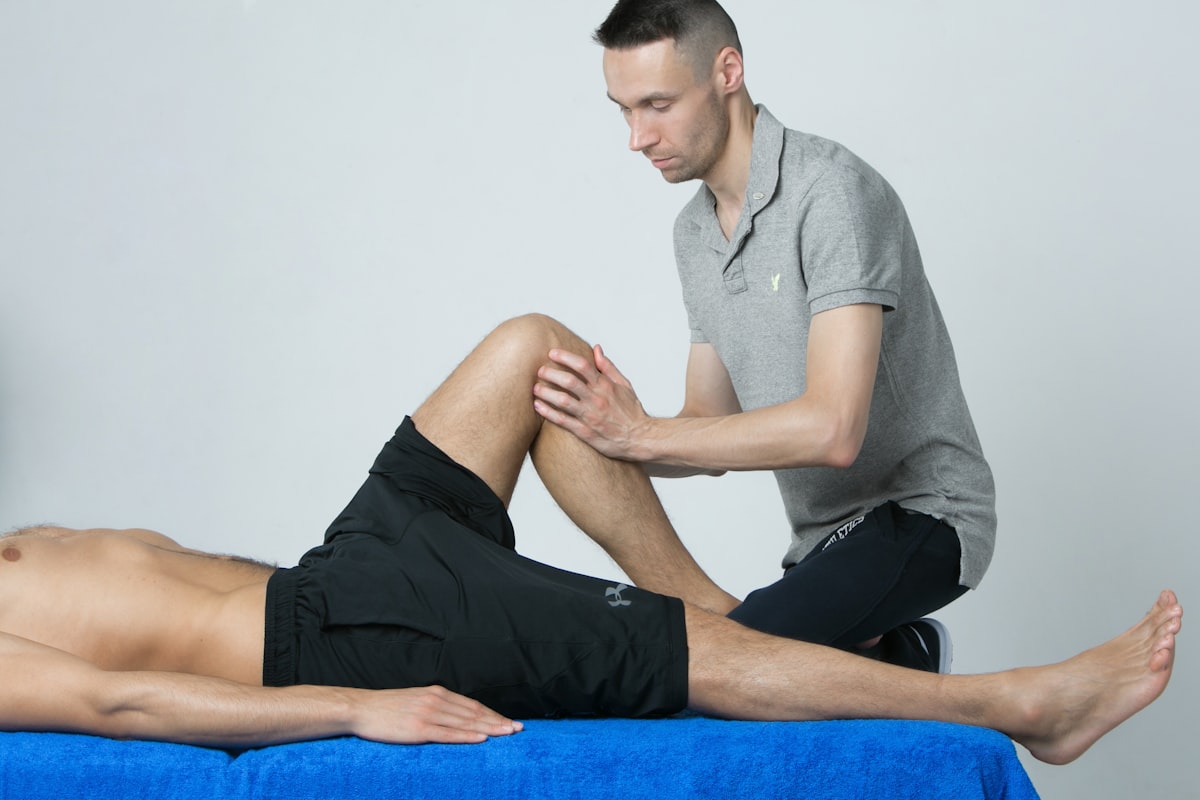
Correct Walking Posture: Foundation for Joint Health
How you walk influences joint stress and long-term mobility. This article breaks down proper alignment from head to toe, common postural mistakes, and practical cues to maintain optimal positioning during daily walking.
Read More →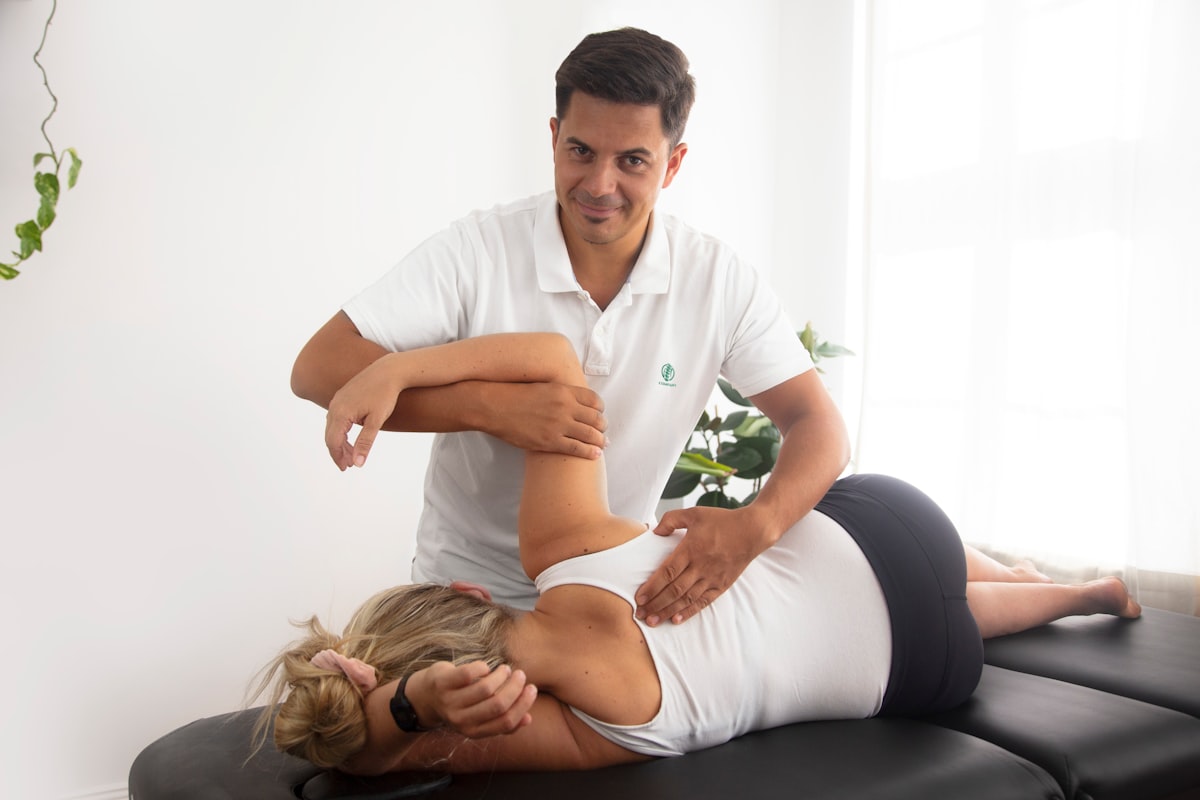
Safe Gymnastics: Progressive Mobility Drills
Progressive exercise sequences help expand range of motion safely. Learn how to structure mobility drills, recognize when movement is safe versus strained, and gradually advance your practice over weeks and months.
Read More →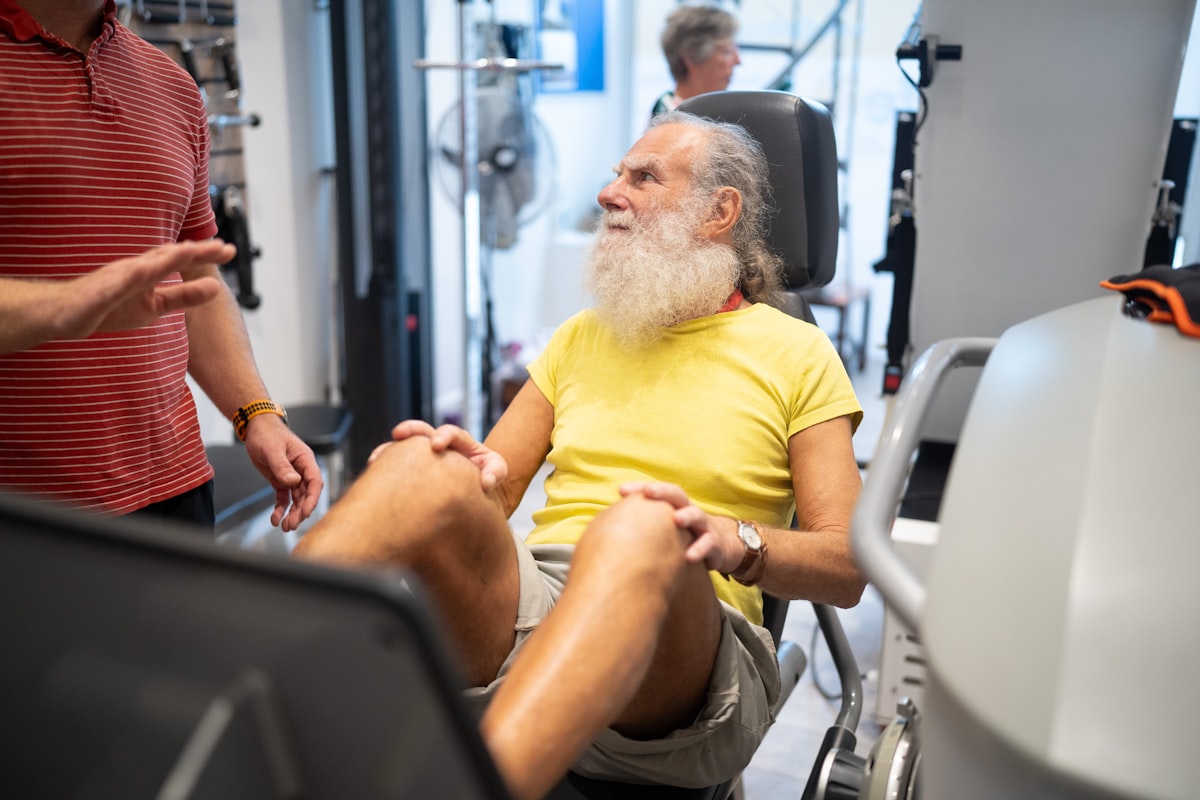
Protecting Joints During Physical Training
Active training demands joint stability and support. Explore evidence-based strategies for maintaining joint health during workouts, including warm-up protocols, load management, and recovery practices that preserve long-term mobility.
Read More →More Topics to Explore
Our editorial team regularly publishes new guides on joint care, mobility techniques, and healthy movement habits.
Physiotherapist Tips
Professional insights on safe movement, joint care principles, and recovery from renowned physiotherapists.
Healthy Habits for Joints
Daily routines and lifestyle adjustments that support long-term joint health and sustained mobility.
Activity During Sedentary Work
Strategies for breaking up sitting time and maintaining joint mobility in desk-based environments.
Joint Support Diet
Nutritional approaches that provide the foundation for healthy connective tissues and active living.
Frequently Asked Questions
Mobility exercises focus on improving range of motion, flexibility, and ease of movement through a full path without restriction. Strength training, by contrast, builds muscle and resilience. Both are complementary—mobility prepares your joints for safe movement, while strength provides stability. For joint care, mobility work is typically foundational and should be learned before or alongside strength work.
Consistency is more important than intensity. Most joint care specialists recommend mobility work 5-7 days per week, even if just for 10-15 minutes daily. This frequent, gentle approach is more effective than occasional intense sessions. Many people find the best results when they integrate mobility into their existing routine—stretching while watching television, doing warm-ups before workouts, or practicing gentle drills in the morning.
Posture is one important factor among many. Correct alignment reduces unnecessary stress on joints and promotes balanced muscle engagement. However, optimal joint health requires a combination of factors: posture awareness, regular movement, adequate rest, nutritional support, and appropriate exercise. Think of good posture as a foundation—essential but most effective when paired with other healthy habits.
Nutrition provides the building blocks for connective tissue maintenance. Adequate protein supports tissue repair, omega-3 fatty acids contribute to tissue health, and micronutrients like vitamin C and magnesium support collagen synthesis and muscle function. While no single food prevents joint issues, eating a balanced diet rich in whole foods, lean proteins, healthy fats, and colorful vegetables creates an optimal environment for tissue health and supports your active lifestyle.
Safe movement should feel smooth and controlled. Sharp pain, clicking, or instability are warning signs to pause and reassess. Start with slower movements, focus on quality over quantity, and progress gradually. Many people benefit from working with a physiotherapist or certified trainer initially to learn proper form. Our guides include detailed descriptions and cues; if an exercise feels off, simplify the version or choose an alternative movement that suits your current capacity.
It's never too late. People of all ages benefit from improved mobility, better posture, and consistent gentle movement. Whether you're just beginning or returning after a period of inactivity, starting conservatively and building gradually is key. Many people find that even small consistent changes—a 10-minute morning routine, regular walking, or mindful posture practice—yield noticeable improvements in how they feel and move within weeks.
Stay Updated with New Articles
Our editorial team publishes new guides and insights regularly. Explore our full collection of resources on joint care, mobility, and healthy movement patterns.
Explore Full Library